
Avoid Mistakes by Talking with the Experts
A small mistake with timber, fixings, sealants, or tools can turn a simple weekend job into a costly repair. The wrong screw can stain a deck. The wrong adhesive can fail in damp conditions. The wrong timber can twist, split, or rot earlier than expected.
Most project problems do not start during the build. They start at the planning stage, when a material is chosen too quickly or advice comes from a guess, a video, or a shelf label that does not tell the whole story.
That is why talking with experienced timber and hardware staff can save time, money, and frustration. Good expert advice helps match the product to the job, the site, the weather, the tools available, and the skill level of the person doing the work.
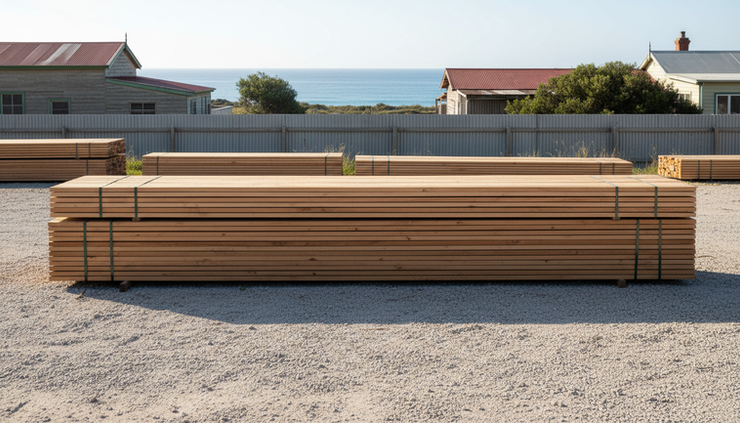
Expert advice turns a vague project into a clear plan
Many people walk into a hardware store with a rough idea.
A deck needs repair. A gate is sagging. A laundry shelf needs to go up. A fence post has rotted. The idea is clear enough, but the details are often missing.
Those details matter.
An expert will usually ask a few simple questions before recommending anything:
Where will the material be used?
Will it be exposed to rain, sun, salt air, or soil?
Does it need to carry weight?
Will it be painted, stained, oiled, or left natural?
What tools are available?
Is the job temporary, decorative, structural, or long term?
These questions are not small talk. They separate a product that will work from one that will fail.
For example, a timber board used indoors for shelving is not under the same stress as timber used outside near the coast. A screw used in dry internal framing is not always right for treated pine, hardwood decking, or outdoor fencing. A paint that works well on a protected wall may not suit a handrail in full sun.
The value of peninsula timber and hardware expert advice is that it connects the job to real local conditions, not just product categories. In coastal areas, moisture, wind, UV exposure, and salt in the air can affect how materials behave over time. Products that look similar on a shelf can perform very differently once they are installed.
A clear plan also helps avoid overbuying or underbuying. Experts can help estimate quantities, suggest the right lengths, and explain which accessories are easy to forget. That might include packers, washers, primer, blades, plugs, brackets, sealant, or the correct drill bit.
The job becomes less of a guess.
The most common mistakes start with choosing the wrong material
Hardware and timber mistakes often look small at first. A board feels slightly light. A fixing seems close enough. A tin of coating says “exterior”, so it feels safe to use anywhere outside.
The trouble is that materials fail in different ways.
Timber can cup, bow, split, swell, rot, or move against adjoining surfaces. Metal fixings can rust, snap, stain timber, or react with treatments in the wood. Adhesives can lose bond if the surface is dusty, damp, oily, or exposed to too much movement. Sealants can crack if they are not flexible enough for the gap.
Talking with someone who has seen these failures before helps avoid repeat mistakes.
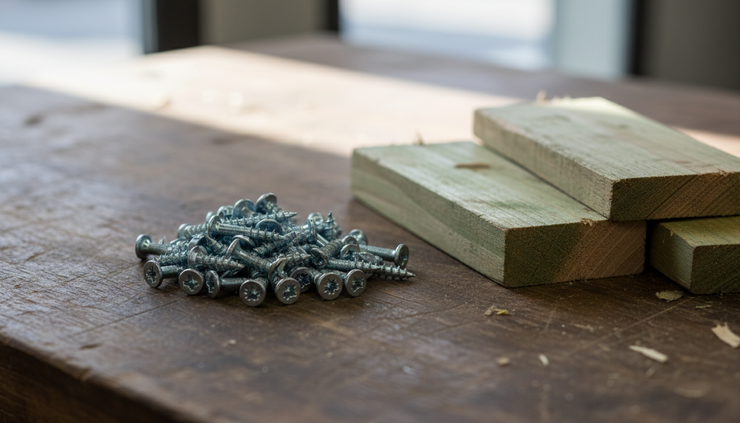
Timber selection needs context
Timber is not one single product. Even boards that look alike can suit very different uses.
A helpful conversation might cover:
Durability class and expected exposure
Treated pine versus hardwood
Structural and non-structural uses
Moisture content and movement
Lengths, thicknesses, and spans
Coatings needed before or after installation
For a garden bed, the advice may focus on treatment type and contact with soil. For a pergola, it may shift to spans, loads, fixings, and council rules. For a deck, the discussion may include board profile, ventilation, joist spacing, screws, finish, and maintenance.
These are not details to work out after the timber is already cut.
Fixings are easy to underestimate
Many failed projects come down to fixings. The board was fine. The frame was fine. The screw, bolt, bracket, or anchor was wrong.
The most common issues include:
Screws that are too short
Fasteners that are not rated for outdoor use
Anchors used in the wrong wall type
Nails used where screws would hold better
Galvanised or stainless options chosen without understanding the environment
Outdoor projects in places like the mornington peninsula often need more care because weather exposure can be harsh. Salt air and high moisture can make poor fixing choices show up sooner.
A good expert will not simply point to the screw aisle. They will ask what the fixing is going into, what it needs to hold, and whether it will be exposed to the weather.
Coatings and sealants depend on the surface
Paint, oil, stain, varnish, glue, and sealant all need the right surface preparation. Some products need bare timber. Some can go over old coatings. Some need primer. Some need dry weather for a set period.
Using the right product in the wrong way can be just as bad as choosing the wrong product.
Expert advice can help answer practical questions such as:
Does the timber need sanding first?
Should cut ends be sealed?
How long should treated timber dry before coating?
Is the surface too damp?
Will the product cope with foot traffic?
Is the coating suitable for exterior UV exposure?
This is where small advice can make a big difference. A few minutes of guidance can prevent peeling, staining, patchy colour, or poor adhesion.
Experts help match the job to the tools and skill level
A product might be technically correct but still wrong for the person doing the job. If it needs a tool that is not available, a skill that has not been learned, or a level of precision that is hard to achieve, the project can stall.
Good advice takes the whole job into account.
For example, installing a heavy shelf into plasterboard is not just about buying a shelf. It may involve finding studs, choosing anchors, checking weight limits, levelling brackets, and using the correct drill bit. A simple detail, such as whether the wall is brick, plasterboard, cement sheet, or tile, changes the recommendation.
The same applies to timber work. A hardwood board may look ideal, but it can be difficult to cut, drill, or fix without sharp blades, pilot holes, and the right screws. Treated pine may be easier to work with, but it still needs suitable fixings and finishing.
Experts can point out the parts of a job that are easy to miss:
Whether holes should be pre-drilled
Which blade suits the material
What personal protective gear is needed
Whether a job needs two people
How to support timber during cutting
Where measurements often go wrong
What order to assemble parts in
This helps prevent one of the most frustrating DIY moments, getting halfway through and realising the missing tool matters.
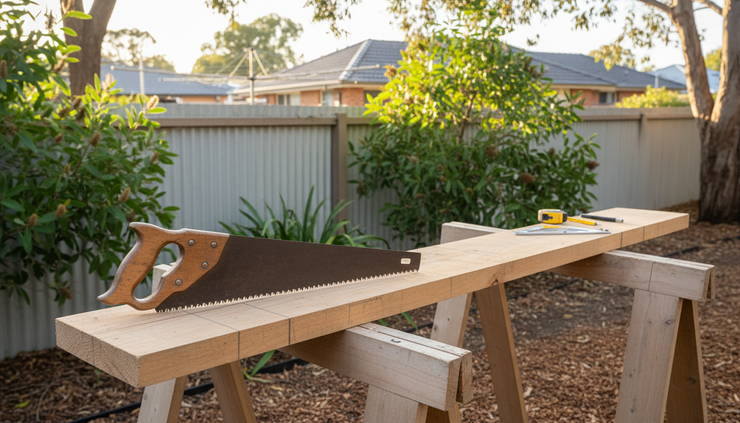
Advice can also stop unsafe shortcuts
Some mistakes are inconvenient. Others are unsafe.
Anything structural, load-bearing, electrical, plumbing related, or covered by building rules needs extra care. A hardware expert can often explain when a job is suitable for DIY and when it should involve a licensed trade or building professional.
That advice matters.
It is better to hear, “This part needs a qualified person,” before buying materials than after something has been installed incorrectly.
A good expert does not just help sell products. They help set limits, reduce risk, and steer the project towards a safe result.
Better questions lead to better answers
Expert advice works best when the conversation has enough detail. A short chat can help, but a prepared chat helps more.
Before visiting a timber and hardware store, it is useful to bring:
Measurements
Photos of the area
A sketch of the project
Details of existing materials
A sample, if safe and practical
Notes about exposure to sun, rain, soil, or salt air
A rough budget
The tools already available
Photos are especially useful. A close photo shows the material or problem. A wider photo shows context. For example, a photo of a rotted fence post helps, but a wider view of the fence line can show slope, soil, drainage, and access.
Measurements should include more than just length and width. Thickness, depth, gap size, span, and fixing distance can all matter. If the job involves replacement parts, measure the old part before removing it where possible.
Ask what could go wrong
One of the best questions is simple.
“What mistakes should I avoid with this?”
That question invites practical advice. It can reveal whether the product needs a primer, whether the screw needs a pilot hole, whether the timber needs sealing on cut ends, or whether the adhesive needs a dry surface.
Other useful questions include:
What would you use for this job?
Is there a better option for outdoor exposure?
What fixings should go with this material?
Do I need to seal, prime, or treat it first?
What tool will make this easier?
Is there anything I should not use this with?
How should I maintain it later?
The best advice often comes from the follow-up question. Keep the conversation practical and specific.
The cheapest option can become the expensive one
Price matters, and no one wants to waste money. But the cheapest product is not always the cheapest result.
A low-cost fixing that rusts can stain timber and require replacement. A poor coating can peel and need sanding back. A timber choice that is not suited to exposure can fail early. A tool that struggles through the job can waste hours and produce a rough finish.
This does not mean the most expensive option is always right. It means value comes from fit.
The right product should suit:
The environment
The expected life of the project
The finish required
The strength needed
The tools available
The time set aside for the job
The maintenance the owner is willing to do
An expert can often suggest a middle path. That might be spending more on exterior-grade screws while choosing a simpler board profile. It might mean buying a better brush for a smoother finish rather than a larger tin of coating. It might mean choosing a product that lasts longer because the job would be hard to redo.
Good advice helps spend money where it matters most.
The right material is the one that suits the job, the site, and the way it will be used.
FAQ
When should I ask for expert advice on a hardware or timber project?
Ask before buying materials, especially if the project will be outdoors, carry weight, attach to a wall, or involve treated timber. Early advice prevents most mistakes.
What should I bring when asking for help?
Bring measurements, photos, and a short description of the job. If replacing a part, bring a sample if it is safe and practical. The more context you provide, the more accurate the advice will be.
Can hardware staff tell me if I need a licensed tradesperson?
They can often point out when a job may need a licensed trade or further professional advice. For electrical, plumbing, gas, major structural work, or regulated building work, check with the correct qualified professional.
Is treated pine always suitable for outdoor use?
No. Treated pine comes in different treatment levels for different uses. Some types suit above-ground outdoor use, while others suit in-ground contact. Ask which type matches the job.
Why do experts ask so many questions before recommending a product?
Because the right product depends on location, exposure, load, surface, tools, and finish. A few questions can prevent the wrong recommendation.
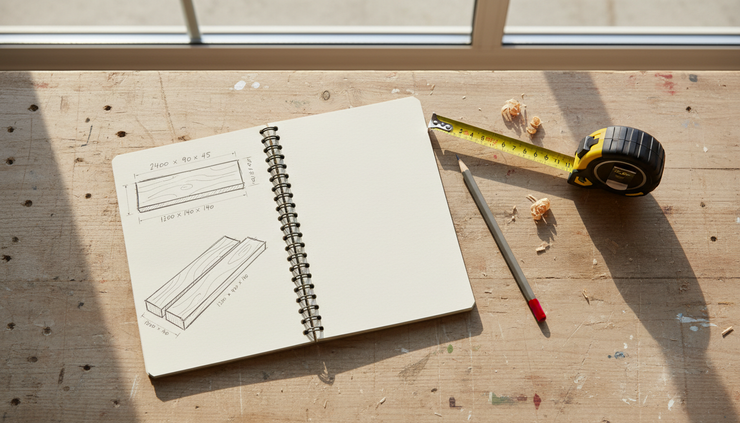
A short conversation can save the whole project
Most timber and hardware mistakes are avoidable. They come from missing context, not from a lack of effort.
Talking with experts helps turn rough ideas into practical steps. It helps match materials to the site, fixings to the surface, coatings to the exposure, and tools to the task. It can also reveal when a project needs a different approach or a qualified professional.
Before starting the next repair, build, or weekend upgrade, take the measurements, snap a few photos, and ask the question that matters most: “What should I avoid?”
That one conversation may be the simplest way to protect the result.
Comments